
Proxy vs VPN — which one is better for privacy in 2025?
Learn how encryption, IP masking and streaming differ between VPNs and proxy servers.
Proxies and VPNs both route traffic through a remote server to hide your IP address. But only a VPN encrypts the entire connection — making it essential for online privacy, streaming and public Wi-Fi safety.
Quick summary
Use a VPN for privacy, security, and geo-unblocking. Use a proxy for one-off IP masking in browsers or tools without sensitive data.
How a proxy works
A proxy acts as a middleman between your browser and the internet. It changes your IP address but doesn’t encrypt traffic — meaning your ISP or employer can still see what you do. Most free proxies also inject ads or track data.
How a VPN works
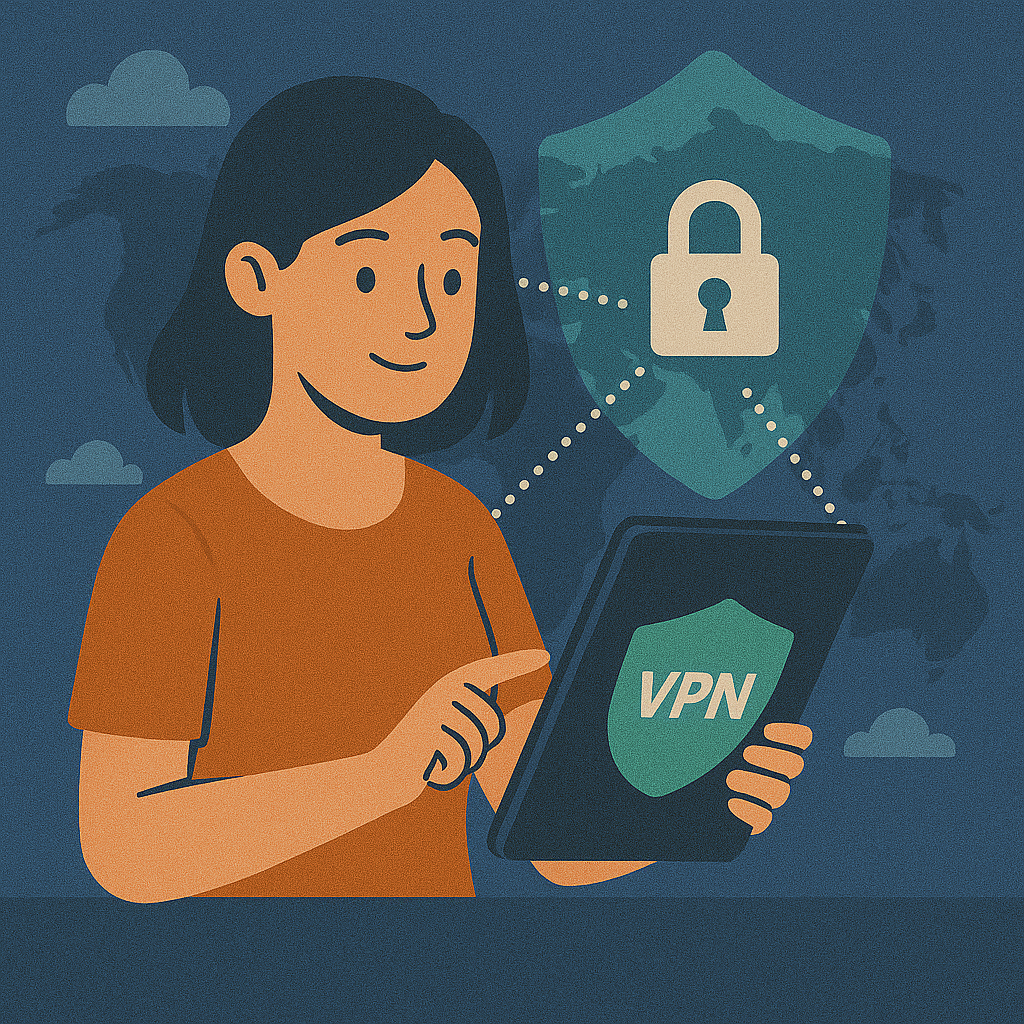
A VPN (Virtual Private Network) encrypts all outgoing traffic from your device through a secure tunnel to the VPN server. This hides activity from ISPs, Wi-Fi networks, and potential attackers. Modern protocols like WireGuard or NordLynx ensure high speed and low latency.
Streaming & geo-blocking
Streaming platforms like Netflix, Hulu, or BBC iPlayer detect and block proxies. Premium VPNs use obfuscated servers and fresh IPs to bypass restrictions. Check guides for Netflix VPN, BBC iPlayer VPN, and DAZN VPN.
Privacy & data protection
Proxies lack encryption. Anyone on the network can inspect traffic. A VPN encrypts everything (AES-256 or ChaCha20) and prevents DNS leaks or IPv6 exposure. Top providers like NordVPN and Surfshark are independently audited for no-logs policies.
Speed comparison
Proxies might be marginally faster since they skip encryption, but VPNs with WireGuard are near-native in speed. You can verify performance with a VPN speed test.
When a proxy might be enough
- Changing IP for price checks or simple browsing.
- SEO monitoring or accessing region-locked news.
- Temporary masking without needing encryption.
When to always use a VPN
- On public Wi-Fi (secure your connection).
- Streaming content abroad.
- P2P and torrenting (safe file sharing guide).
- Remote work (corporate VPN setup).
- Protecting banking and payment data.
- Reducing ping and DDoS risk in online gaming.
Setup & ease of use
VPN apps are simple and work system-wide on Windows, macOS, Android and iOS (see iPhone setup guide). Proxies must be configured manually per app, and don’t protect other connections or background traffic.
Risks of free proxies
- No encryption = exposed passwords and data.
- Many log and sell user traffic.
- Frequent malware in public proxy lists.
- Blocked by most websites and streaming platforms.
Watch on YouTube (NordVPN Official)
Essential VPN features in 2025
- WireGuard/NordLynx for speed and security.
- Kill switch (explained here).
- Split tunneling (how it works).
- No-logs policy (audited VPNs).
- DNS and IPv6 leak protection.
- Multi-platform apps (Windows, Mac, Linux, mobile).
FAQ
Is a proxy as safe as a VPN?
No — a proxy doesn’t encrypt data or protect other apps. A VPN does both and prevents tracking.
Can a VPN increase internet speed?
Sometimes yes — it can bypass ISP throttling and optimize routing via faster servers.
Does a VPN work on mobile?
Yes on Android and iOS (VPN on iPhone and Android).
Can I use a proxy and VPN together?
Possible but rarely useful. A VPN alone already encrypts and masks traffic system-wide.

Denys Shchur
Cybersecurity author and editor at VPN World. Writes about VPN technology, privacy standards and secure browsing for real users in 2025.