
Best Business VPN for US Companies (2026): HIPAA, CCPA & Remote Security
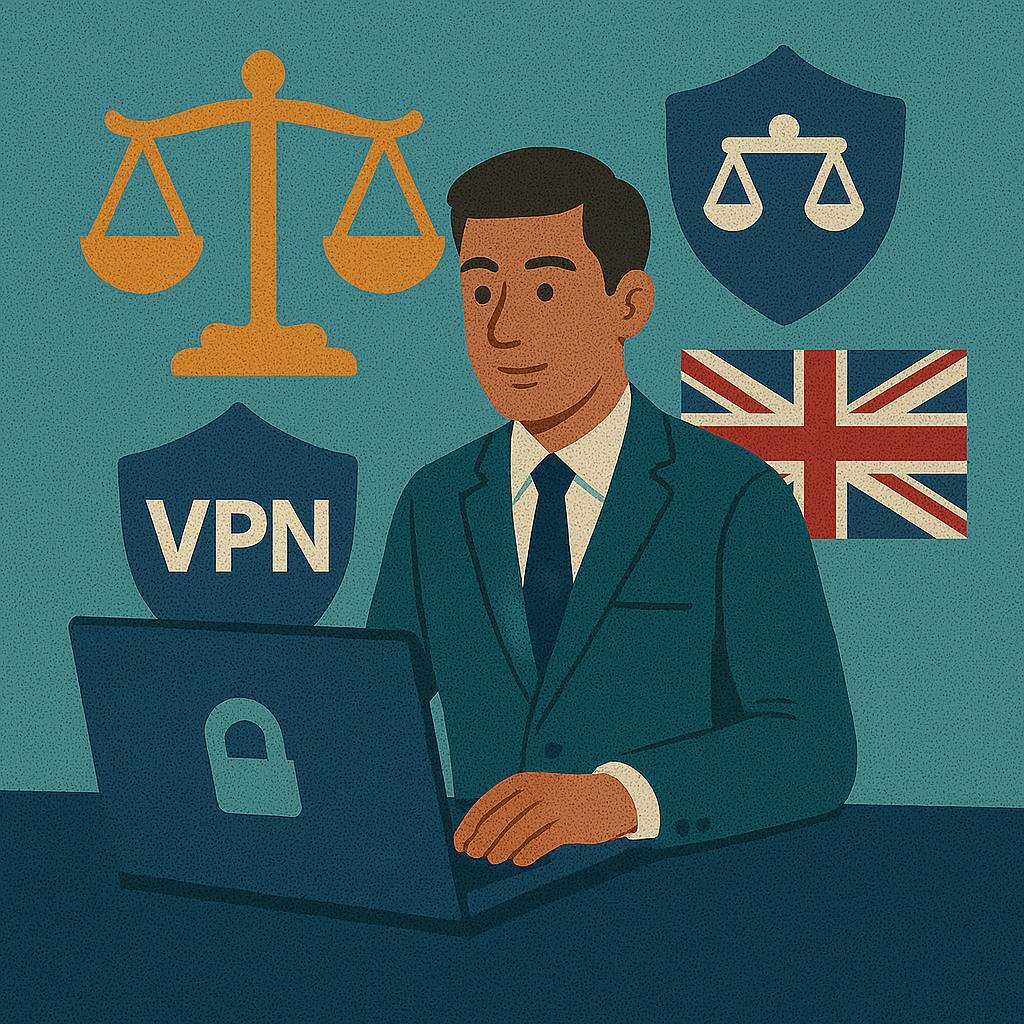
In the US market, a “business VPN” is not purchased for vibes — it’s purchased because security teams need predictable controls that fit audits and real-world workflows. A good business VPN can encrypt traffic in transit, reduce exposure on public Wi‑Fi, and help remote employees connect to corporate resources — but it’s only one layer. US organizations usually evaluate VPNs alongside identity (SSO/MFA), device posture, and logging/audit expectations (think SOC 2 Type II).
Pick a business-ready VPN in minutes
These providers are popular choices for teams that want modern protocols, solid reliability, and business plans (pricing varies by seats and features).
What a business VPN does (and what it doesn’t)
Key takeaway: A VPN protects data in transit and controls network access — but it won’t replace MFA, endpoint security, or good governance.
A business VPN creates an encrypted tunnel between employee devices and a VPN gateway (or corporate network). That reduces risk on untrusted networks and makes it harder for attackers to intercept traffic. If you’re new to basics, start with what a VPN is. For performance and security, most teams now prefer modern stacks explained in our VPN protocols guide.
Diagram: modern US business connectivity (VPN + identity)
Compliance reality: HIPAA, CCPA/CPRA, SOC 2 and beyond
Key takeaway: VPN can support “encryption in transit,” but compliance is a program: policies, controls, audits, and training.
US compliance conversations usually start with HIPAA (healthcare), CCPA/CPRA (California privacy), and internal or customer-driven requirements like SOC 2 Type II. A VPN helps with technical safeguards by encrypting traffic and restricting access. But it doesn’t magically make you compliant.
| Framework / regulation | Where VPN helps | What you still need |
|---|---|---|
| HIPAA | Encrypts ePHI traffic in transit; safer remote access | Policies, access controls, auditing, training; vendor management (BAA when required) |
| CCPA/CPRA | Reduces exposure by encrypting traffic; can mask IP address | Transparency, data rights processes, governance, retention controls |
| SOC 2 Type II | Supports secure access pathways; centralized access management | Evidence collection, change management, incident response, continuous controls |
| NIST CSF / Zero Trust | Protects network transport; complements secure remote access | Identity-first controls, least privilege, segmentation, device posture checks |
Diagram: compliance layers (VPN is one layer)
VPN vs ZTNA (Zero Trust) in 2026
Key takeaway: VPN is still useful, but ZTNA often wins for per-app access and auditability. Many teams run both.
Zero Trust Network Access (ZTNA) is often positioned as “VPN replacement,” but in practice the transition is gradual. If you have contractors, multi-state teams, and SaaS-heavy workflows, ZTNA can reduce your blast radius by allowing per-app access. Meanwhile, a business VPN remains valuable for full-tunnel protection, legacy apps, and quick deployment.
| Feature | Legacy business VPN | Modern ZTNA |
|---|---|---|
| Access control | Network-level; broader access | Granular per-app policies |
| Scalability | Often tied to gateways/hardware | Cloud scaling with policy engines |
| User experience | Client login and profiles | SSO integrated; seamless app access |
| Best fit | Small teams, mixed networks, legacy apps | Remote-first teams, SaaS, contractors |
Diagram: VPN vs ZTNA access model
Features that matter for US companies
Key takeaway: Prioritize admin controls, modern protocols, and reliable leak protection — then add identity and auditing.
- Modern protocols: WireGuard / IKEv2 for fast connections and stable mobile performance.
- Centralized admin: user lifecycle management, roles, and offboarding.
- MFA: treat it as mandatory; see our guide on VPN + MFA.
- DNS leak protection: prevents accidental exposure; basics in VPN DNS leak.
- Kill switch: critical on laptops; details in kill switch.
- Dedicated IP: useful for allowlists and stable access; learn more in dedicated IP.
| Scenario | What to measure | Why it matters |
|---|---|---|
| Video calls / meetings | Latency (ms), jitter, packet loss | Small latency spikes kill UX fast |
| Cloud apps (SaaS) | Handshake time, roaming stability | Mobile users switch networks constantly |
| File sync / backups | Throughput (Mbps), CPU load | Speed drops impact productivity |
Deployment checklist for IT teams
Key takeaway: A simple rollout plan beats “install and hope.” Document access, test leaks, and define offboarding.
- Decide the access model: full-tunnel vs split tunneling (see split tunneling).
- Enforce MFA and device rules: block unmanaged devices where possible.
- Define logging: what’s needed for security vs what’s risky for privacy and liability.
- Test for DNS/IPv6/WebRTC leaks: fix misconfigurations before rollout.
- Write the offboarding runbook: disable accounts, rotate keys, remove allowlists.
Video: secure remote access model (official)
This short video explains the practical model we use across VPN World: secure tunneling, identity checks, and “verify, then trust” workflows.
If the video does not load, watch it on YouTube.
Need a VPN solution for a remote or hybrid team?
Choose a provider that matches your audit expectations (admin controls, incident response, documentation), not just raw speed. For many teams, a hybrid approach (VPN + ZTNA) is the best of both worlds.
Business VPN (US) – Frequently Asked Questions
Is a business VPN enough for HIPAA compliance?
A VPN helps encrypt data in transit, but HIPAA compliance also requires access controls, policies, auditing, and training. Treat VPN as one layer of your overall security program.
Does a VPN prevent CCPA/CPRA violations?
It can reduce exposure by encrypting traffic and masking IP addresses, but CCPA/CPRA is about governance: transparency, data rights requests, retention, and vendor management.
Should we replace VPN with ZTNA?
Many teams move toward ZTNA for per‑app access and stronger identity-driven policies. In 2026, it’s common to run a hybrid model: VPN for full‑tunnel protection and legacy workflows, ZTNA for app access with SSO.
What’s the fastest way to validate a rollout?
Use a repeatable baseline: measure latency and throughput, then test DNS/IPv6 leak behavior on company laptops and phones. Document settings so the results can be reproduced.
Disclosure: VPN World is an independent website. We may earn a commission if you buy through our links. This does not affect the price and helps us keep the site running.