
Dedicated IP VPN (2025): when a static address is worth it
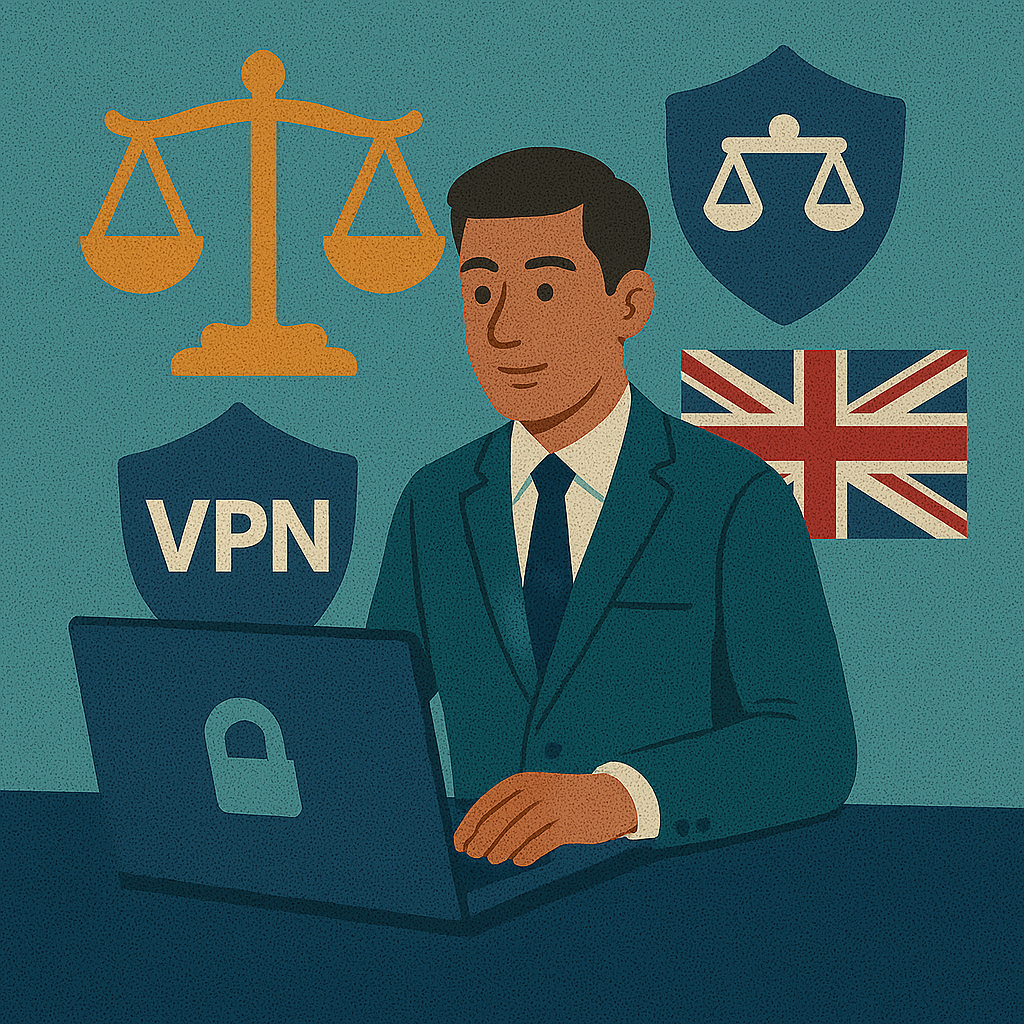
Most people use a VPN with a shared IP address. Hundreds of users appear online as the same IP, which makes tracking harder and boosts anonymity. A dedicated IP VPN flips this idea: you still connect through an encrypted tunnel, but the public IP you use on the internet is yours only.
Just want a reliable dedicated IP?
If you do not want to spend hours comparing providers, start with services that offer WireGuard / NordLynx, RAM-only servers and long track records with banking and streaming platforms.
In this guide we will compare shared vs dedicated VPN IPs, look at real-world scenarios (remote work, streaming, online banking) and help you decide whether a static address fits your threat model. If you are new to VPNs in general, it is worth skimming what is a VPN? first.
How a VPN with dedicated IP actually works
Key takeaway: technically, a dedicated IP is just another VPN server – but one that does not rotate users. All requests from that IP can be linked to the same account, even though the traffic is still encrypted.
With a standard VPN subscription, every time you click “connect”, the app picks a server from a pool and assigns you a shared IP. Tomorrow the same IP may be used by someone else. This rotation is great for privacy, but not for systems that expect you to show up from the same address every single time.
A dedicated IP solves this by reserving one IP address for your account. Under the hood you usually still use the same VPN protocols as any other server – OpenVPN, IKEv2 or modern options like WireGuard / NordLynx that give you low latency. The difference is purely in the way the provider routes and tracks that public IP.
| Feature | Shared VPN IP | Dedicated VPN IP |
|---|---|---|
| Anonymity | High — many users share one address. | Lower — traffic from that IP is clearly linked to your account. |
| Reputation & blacklists | Can be abused by others, more often blocked. | More stable reputation, less likely to be on blacklists. |
| Online banking & business tools | Frequent security alerts and captchas. | Smoother logins, easier IP whitelisting. |
| Price | Included in normal subscription. | Usually small monthly add-on fee. |
If your main concern is bypassing geo-blocks for entertainment, a good shared IP pool combined with the right VPN protocol is often enough. Dedicated IPs shine more in “serious” contexts like work, servers and sensitive accounts.
When a dedicated IP makes your life easier
Key takeaway: dedicated IPs are about friction reduction — fewer log-in challenges, fewer blocked sessions, fewer “is this really you?” emails.
Typical situations where a static VPN address helps:
- Corporate VPN and remote work. Many companies whitelist employees’ IPs in firewalls, CRMs or SSH gateways. With a dedicated IP, you can keep using your own VPN provider instead of the company’s slow gateway.
- Admin panels and servers. Hosting dashboards, cPanel, WordPress admin or database tools often restrict access by IP. Using a dedicated IP gives you a stable, encrypted way in without exposing your home IP.
- Online banking and PayPal-style services. A random shared IP in another country can trigger fraud checks. A clean, consistent IP has a better chance of passing automated risk scoring, especially when you often log in while travelling.
- Running small services from home. If you host a tiny mail or game server and route traffic through a dedicated IP, firewall rules and DNS records become much easier to manage.
Dedicated IPs also pair nicely with features like Multi-Factor Authentication. If you are tightening security for business accounts, read our guide on VPN and 2FA / MFA as the next step.
Privacy trade-offs and when you should avoid a dedicated IP
Key takeaway: if your main goal is maximum anonymity, a dedicated IP is not the right tool. Choose shared IPs, strong encryption and a strict no-logs policy instead.
A dedicated IP does not suddenly make you unsafe, but it changes who can link what together. Your VPN provider always has to know which account owns which IP. Reputable services run on RAM-only infrastructure, minimize logs and undergo audits – but you are still reducing the “crowd” effect compared with a shared address.
For activities where you are extremely sensitive about being profiled, a classic shared server with good no-logs policy is still the better choice. Dedicated IPs are not designed for whistle-blowing or avoiding targeted surveillance; they are about reliability.
| Scenario | Why it is risky | Better alternative |
|---|---|---|
| Bypassing strict geo-censorship | Single address is easier to monitor or block. | Obfuscated shared servers, rotating IPs. |
| Sensitive investigations or journalism | Weaker crowd-blending effect. | Shared IPs with strong privacy policy. |
| Heavy P2P traffic | Bandwidth and abuse complaints tied to one IP. | Specialised P2P servers on shared IP. |
As always, your personal threat model is what matters. For everyday tasks like banking, streaming and remote work from the UK, a dedicated IP is usually a practical choice – especially combined with good Wi-Fi security and strong passwords.
Dedicated IP for streaming and geo-blocks
Key takeaway: some people buy a dedicated IP hoping it will magically unblock every platform. In reality, success still depends on the VPN’s streaming strategy, not just on the fact that the IP is static.
Services like Netflix, BBC iPlayer or DAZN look at many signals: IP reputation, location, previous abuse, and how many accounts stream at once from the same address. A dedicated IP can sometimes look “more human” than a heavily shared IP, which may help with reliability. But there is no guarantee.
If streaming is your priority, check our guides to VPN and geo-blocks and best practices for streaming with a VPN. Make sure your provider has specialised streaming servers in addition to any dedicated-IP option.
Video: static vs shared VPN IPs explained
This short video (in English) walks through the idea of static addresses in VPNs and how they affect access to websites, banking and streaming.
If the video does not load, you can open it directly on YouTube.
Security checklist before buying a dedicated IP
Key takeaway: treat a dedicated IP like a powerful tool. Before you pay for it, make sure the base service is solid: protocols, encryption, audits and support.
- Check the privacy policy and audits. Look for independent security audits and a clear no-logs statement. The whole point of a dedicated IP is lost if the provider logs full traffic.
- Confirm which protocols are supported. Ideally you want WireGuard or NordLynx for speed, plus OpenVPN as a fallback for restrictive networks.
- Enable kill switch and DNS leak protection. Use them together with our DNS leak tests to ensure there are no surprises.
- Decide where your dedicated IP should live. A UK address is often best for local online banking, while a different country might suit global services.
- Combine with strong account security. Use password managers, strong passphrases and 2FA on critical logins. A stable IP is not a replacement for good hygiene.
So, should you switch to a dedicated IP VPN?
If your daily problems are endless security challenges, blocked logins and fragile remote-work tunnels, a dedicated IP can be a surprisingly simple fix. If your main goal is to disappear in the crowd, stick to shared servers instead.
Dedicated IP VPN — FAQ
Is a dedicated IP address anonymous?
Not in the same way as a shared VPN IP. With a dedicated IP, every connection from that address belongs to your account, even though the traffic is still encrypted. It is a compromise between convenience and privacy.
Can I use one dedicated IP on several devices?
Yes. Most VPN providers allow you to connect multiple devices – laptop, phone, desktop – to the same dedicated IP, as long as you respect their normal simultaneous-connection limits.
Is a dedicated IP better for remote work?
In many cases, yes. It makes IP whitelisting easier, reduces login challenges and helps keep long-running tunnels to admin panels or internal systems stable.
Does a dedicated IP help with online banking and streaming?
It can reduce security alerts and some false positives, because you appear from the same address every time. However, access still depends on each bank’s and streaming service’s own VPN policy.
Transparency: VPN World is an independent project. We may earn a commission if you buy a VPN through our links. This does not affect the price you pay and helps us keep the site running.