
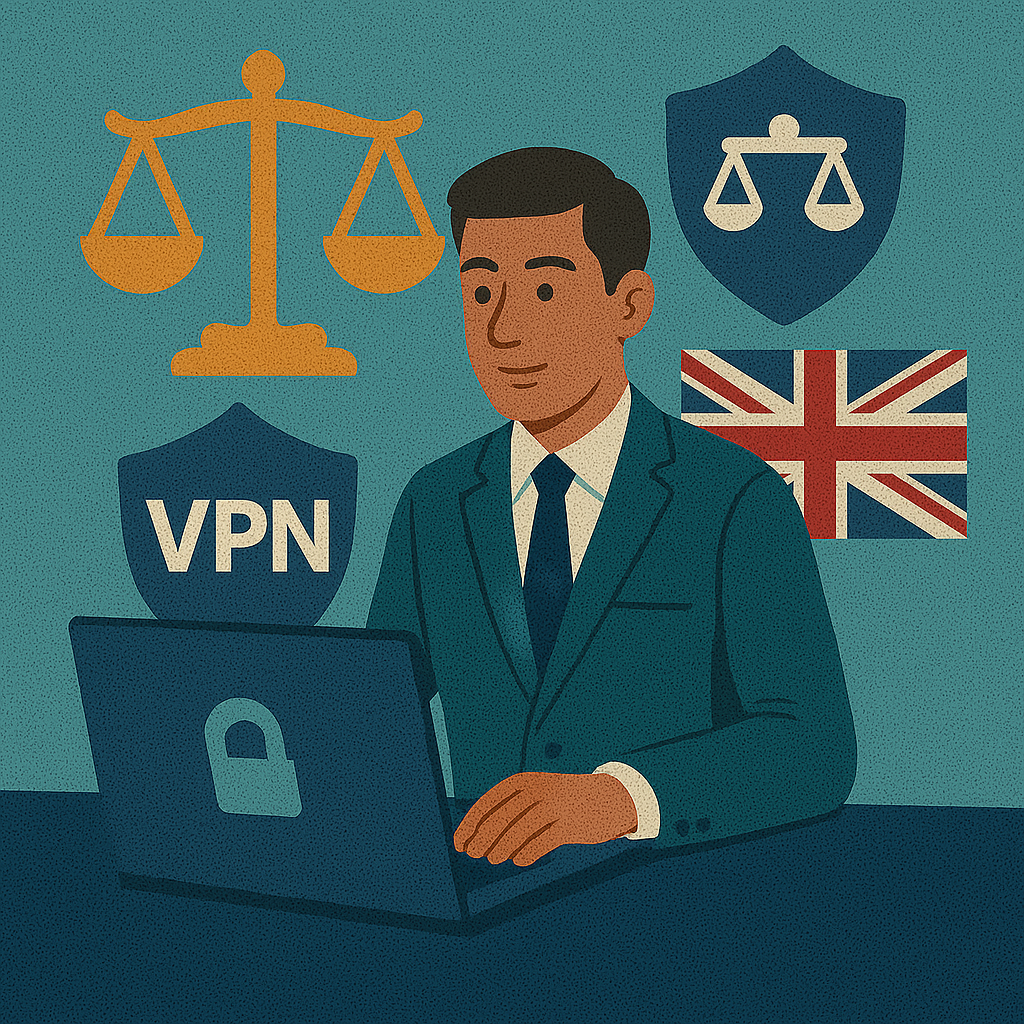
In the United States, VPNs are legal. Millions rely on them for privacy, cybersecurity, and remote work. U.S. law focuses on how the tool is used — not on the tool itself. Using a VPN to stream, shop, or browse securely is lawful, but using it to commit crimes remains illegal.
The legal framework in the U.S.
There are no federal or state laws banning VPNs. The technology is legitimate and widely used in the private and public sectors. The Computer Fraud and Abuse Act (CFAA) and similar regulations target illegal acts (like hacking or fraud), not VPN usage. Businesses routinely use VPNs to connect employees securely to company servers.
Common global exceptions
Some countries restrict or regulate VPN use to maintain control over internet access. These include:
- China – licensed VPNs only, heavy network monitoring;
- Russia – restrictions on unregistered providers;
- Iran – only state-approved corporate VPNs allowed;
- UAE – legal if not used to commit an offence.
Status can change — always check local rules before travelling.
This information is general and not legal advice. If in doubt, seek local legal counsel.
Streaming and terms of service
Using a VPN to bypass geo-restrictions on platforms like Netflix, Hulu, or Disney+ is not illegal, but it may breach the site’s Terms of Service. Typically, this results in a temporary block rather than any legal issue. For region locks, see VPN & Geo-Blocks.
Why Americans still need VPNs
- Protection on public Wi-Fi in airports, hotels, or cafés;
- Reducing online tracking and ad profiling;
- Securing remote work connections and cloud logins;
- Accessing services while travelling without exposure to insecure networks.
New to VPNs? Start with What Is a VPN? and our guide to Free VPNs.
Safe and lawful VPN use
- Use reputable, audited services such as NordVPN or Surfshark.
- Prefer modern protocols (WireGuard/OpenVPN) and enable a Kill Switch.
- Respect local laws and platform ToS, especially when travelling.
- Avoid “free” VPNs that log or sell data. See Free VPN — Is It Safe?
- Consider a router install for whole-home protection — VPN on Router.
FAQs
Can I get in trouble for using a VPN in the U.S.?
No. VPNs are legal nationwide. Problems arise only if you use them for illegal acts.
Does my ISP know I’m using a VPN?
ISPs can typically see a VPN connection, but not the sites or content you access.
Is it safe for banking or taxes?
Yes. A VPN adds encryption on insecure networks; if a site flags your login, try a local U.S. server.
Is bypassing streaming geo-blocks legal?
It can breach platform Terms of Service; it is not a criminal offence. Providers may block access until you disconnect.
Summary
In 2025, VPNs are legal in the United States and most of the world. A VPN significantly improves privacy and security but does not guarantee complete anonymity. Problems arise only from the underlying conduct (law-breaking) or ToS violations.
Quick answer
Yes. VPNs are legal in the U.S. They’re lawful for privacy and security; legality depends on the act, not the tool. When travelling, always check local rules.